When Every Second Counts: The technology Race Inside Live Sports Betting
Live sports betting feels immediate because your screen can change moments after a goal, penalty or injury; however, that apparent simplicity depends on a complex chain of systems working at speed. As you follow a game, data must travel from the event to a sportsbook, then through pricing, risk and account systems before new information reaches you.
That process has become more demanding as live markets have expanded across sports, leagues and increasingly detailed events. Modern data providers can cover more than 100 sports, 15,000 leagues and 2,500 markets, so the technology race involves huge volumes of information. For you, the result appears as a changing price or updated market.
The first race is getting the data
The technology race begins at the event itself, so the first challenge involves capturing what has happened accurately. Official feeds, live scouts, tracking systems and other data sources can all contribute information. When you open a Betway account during a game, the market on your screen can depend on data that has passed through several technical stages first.
A score, substitution or disciplinary decision needs to reach the sportsbook quickly, so the system can interpret its importance. A single event can affect several markets at once, meaning the data must be classified correctly. If you are watching a close game through your Betway account, the price movement you see can reflect multiple updates arriving within seconds.
From an event to a price
The system then has to convert information into a market response, so speed alone is insufficient. A touchdown, goal or red card can alter the probabilities attached to numerous outcomes. Pricing systems must process the event, calculate new figures and distribute them across the platform, creating a constant technical demand during live play.
That is where your Betway account connects to a much larger operation. The screen presents a simple number, but that figure can depend on data feeds, pricing logic, risk controls and software capable of handling simultaneous requests. As you watch a match, the price can change because the system has interpreted new information before you have fully processed the event.
Latency is a competitive problem
Latency has a direct effect on live betting, so regulators have addressed the information gap. The UK Gambling Commission requires operators to explain that live broadcasts can be delayed and that other participants could have more current information. The rule recognizes that viewers can experience the same event at different times, creating a genuine technical challenge.
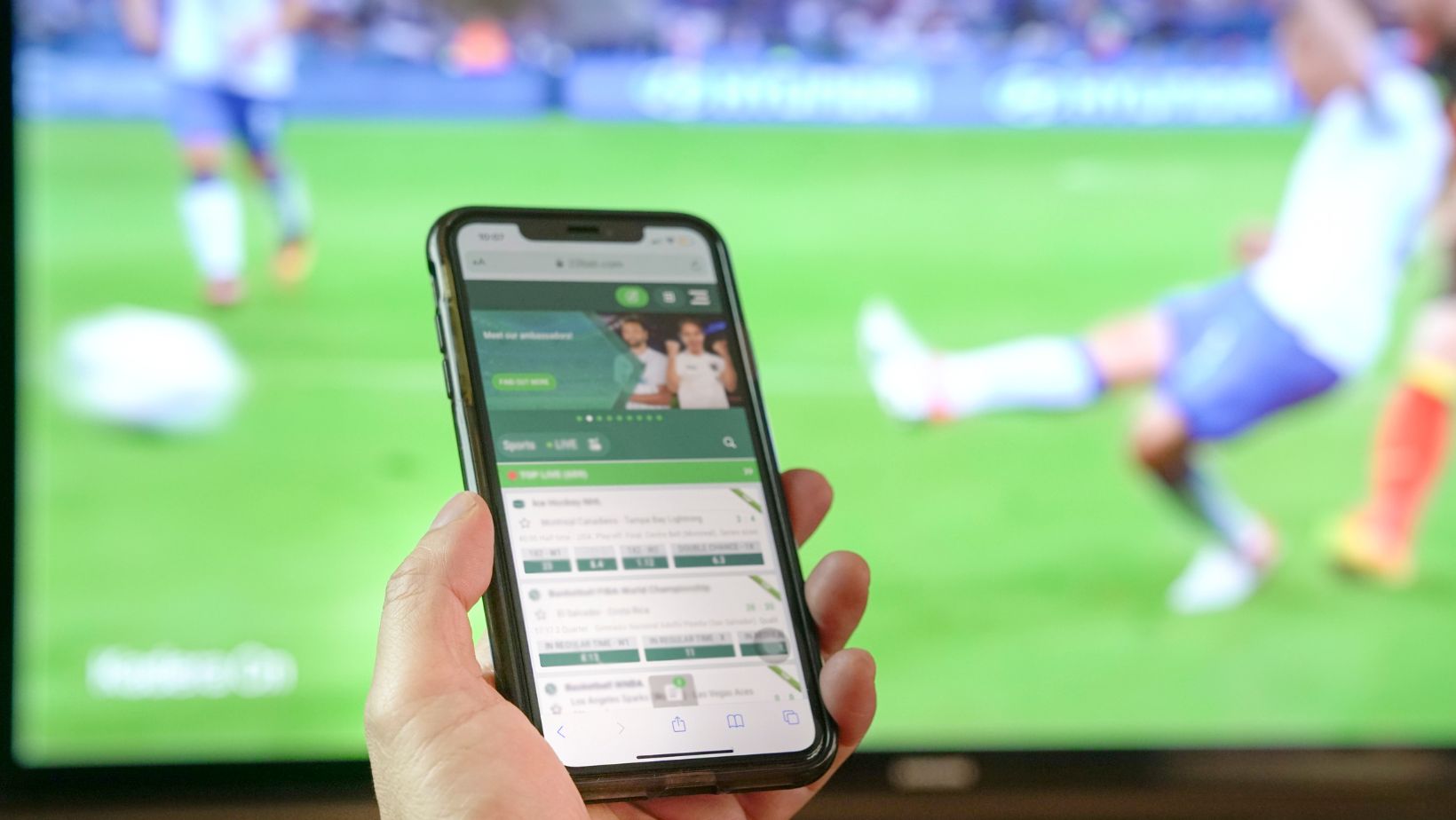
If you use a Betway account during a live market, a price can move as your bet is being submitted. That does not automatically indicate a technical failure, since live markets respond to changing information. A sportsbook can suspend a market or request new odds during critical moments, so the underlying systems need to react quickly without becoming unstable.
The infrastructure has to absorb pressure
Speed matters most when demand surges, so major sporting events create a serious infrastructure test. Thousands of users can open the same market, refresh prices and submit bets within a short period. Modern platforms therefore need distributed services, resilient networks and monitoring systems that can identify delays quickly before one technical problem affects several connected services.
That pressure reaches every Betway account connected to the platform during a major event. The visible interface represents one layer of a larger system, including databases, application services, network connections and security controls. If one component slows down, the consequences can spread across the user experience, so reliability becomes just as important as raw speed.
Why the next advantage is measured in milliseconds
The next stage of the race will focus on reducing friction across the live betting chain, so data providers are investing heavily in low-latency feeds. Sportsbook technology is also supporting more live markets that can update continuously. Current industry analysis identifies speed, accuracy and trusted data sources as key requirements for modern live odds systems.
That means your Betway account is connected to a product that depends on countless small improvements. Faster event transmission can narrow the gap between what happens and what appears on screen, while better processing can support more detailed markets. Stronger monitoring can also limit disruption during peak demand, so technical progress becomes visible through smoother interactions.
Final thoughts
The technology race inside live sports betting will therefore continue across many layers, so one dramatic breakthrough is unlikely to decide the outcome. Every improvement can matter, from quicker data transmission to more resilient infrastructure. When you open a Betway account and see a market update almost instantly, you are seeing the final result of that hidden technical competition.
The most important systems can be the ones you never notice, because successful technology removes friction from the experience. A feed arrives quickly, a market updates smoothly and the platform keeps responding during a decisive moment. Live sport continues moving forward regardless of the software, so every second counts when technology is trying to keep pace.